
How to request camera footage after a car accident in Omaha
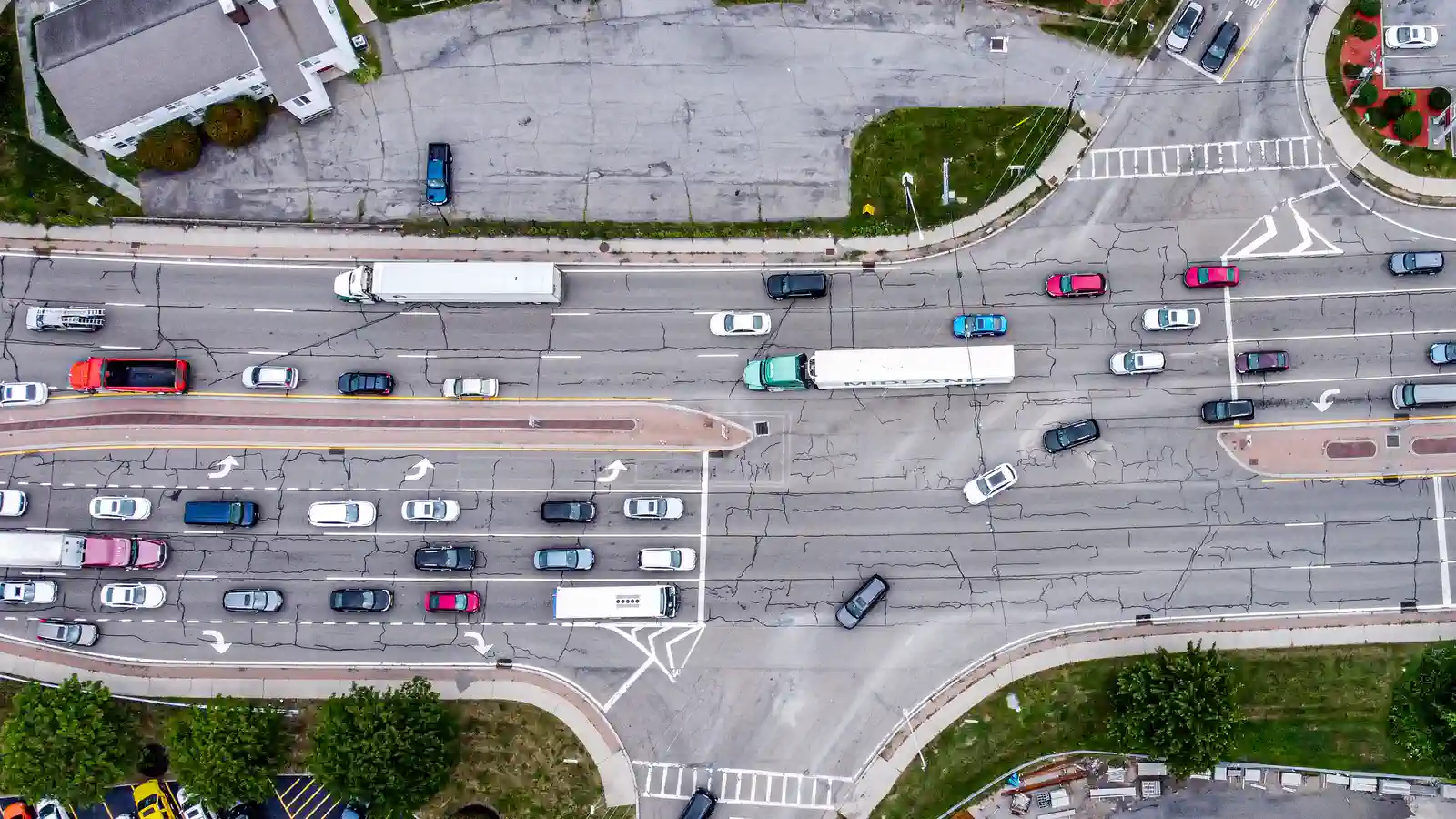
A camera near the intersection may be a lead, but its presence does not tell you whether it recorded the crash or who holds the file. A business security system, a driver's dashcam and a government camera can require different approaches.
Put safety and medical care first. Do not return to an unsafe roadway, enter private property or delay treatment to photograph cameras. Someone helping you can note possible sources while you recover.
Start with the camera owner, not a citywide footage request
Write down the intersection or street address, direction of travel and approximate crash time. If you can safely identify a camera, note which way it faces. Avoid assuming that a device mounted on a traffic signal stores video.
Use this routing guide to decide where to start:
| Possible source | First contact | What to ask |
|---|---|---|
| Camera on a public road or signal | The agency responsible for that road or camera | Who operates it, whether it records and whether footage from that time remains |
| Store, parking facility or residential camera | Property owner or authorized manager | Whether the camera covers the roadway and whether relevant video can be preserved and shared |
| Another driver's dashcam | The driver or vehicle owner, when safely identifiable | Whether an original recording is available and how to retain the complete relevant clip |
| Police vehicle or body-worn camera | The law-enforcement agency holding the recording | The appropriate records-request process and any access restrictions |
Do not assume Omaha Police holds every public-road recording. If you contact the wrong office, ask who operates the specific camera. A public live view also does not establish that a historical recording is available.
Ask about preservation promptly
Contact likely owners as soon as practical. There is no single retention period you can safely assume for all government, business, residential and vehicle cameras. Ask whether the relevant recording still exists and when it may be overwritten.
A request to preserve footage asks the holder to keep it. A request for access asks the holder to provide it. Make both requests clear, but do not assume an informal preservation message creates an enforceable hold or guarantees a copy.
For a private camera, politely identify the incident and ask for the person authorized to handle the request. Do not demand passwords, access a system without permission or pressure someone to release a recording. If access is refused or deletion appears imminent, an attorney can assess available preservation and legal-process options.
Use the correct Omaha records route
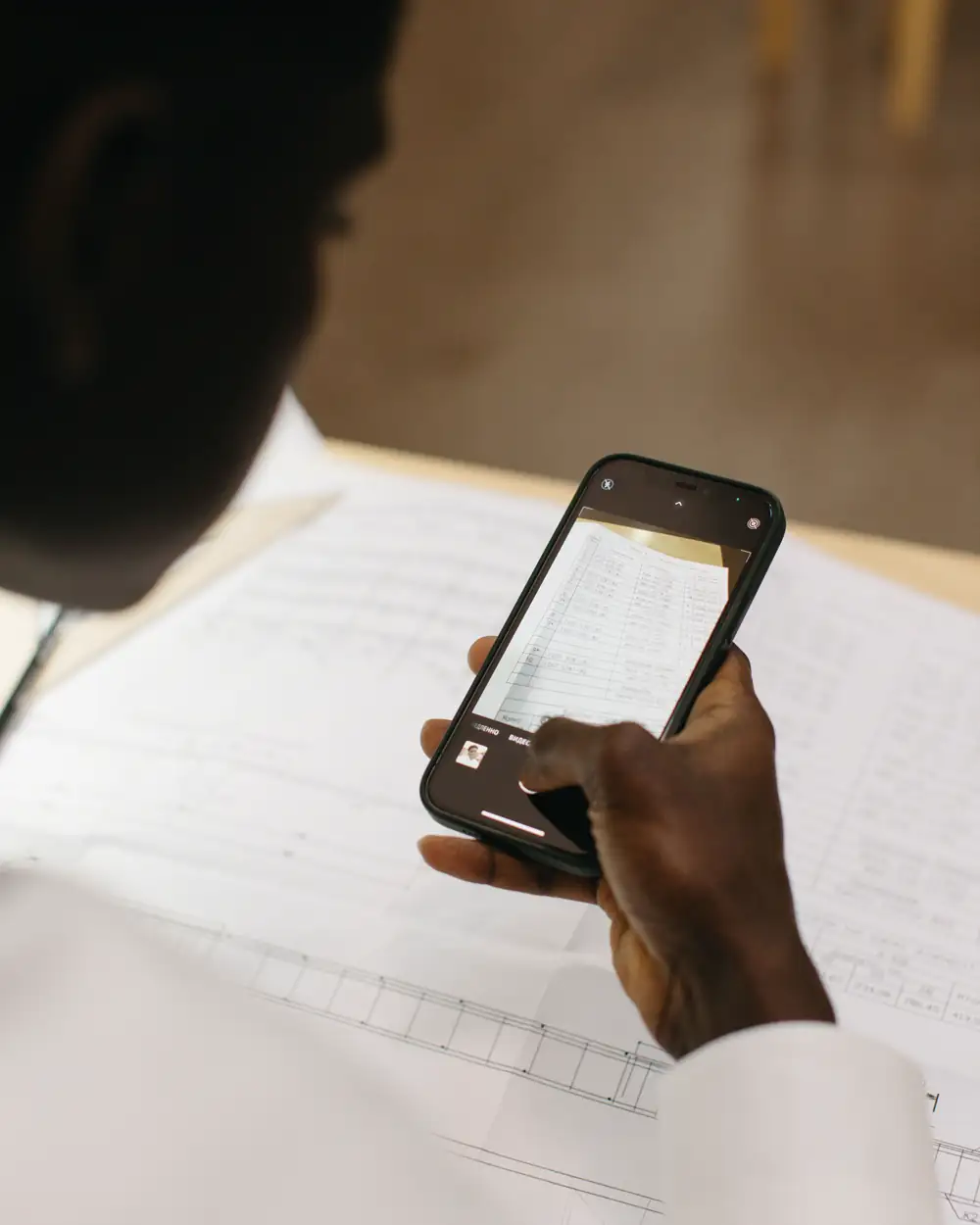
The Omaha Police Department's public-records instructions direct general public-records requests to the City of Omaha Public Records Portal. Follow the link on that official page rather than relying on an old portal address.
OPD separately directs requests for police reports, including accident reports, to its Records Unit. Ordering a crash report is not the same as requesting video. Identify the recording you want rather than requesting only the report number.
Nebraska Revised Statute 84-712 generally requires a public-records custodian to respond within four business days after actually receiving a written request. Depending on the circumstances, that response may provide access, give a written denial or explain why additional time is needed, with the required cost and timing information. It does not guarantee delivery of video within four days.
Copies may involve fees. Review estimates and follow-up instructions promptly. Government records also may be withheld under applicable law, including certain investigatory records addressed in section 84-712.05. Whether an exemption applies to a particular recording needs individual review. A private shop or homeowner does not become subject to the government records process simply because its camera overlooks a public street.
What to include in a footage request
A focused request gives the holder something specific to look for. Include:
- Crash date and time window: Give an approximate time if necessary and identify it as an estimate. Include a reasonable period before and after the collision.
- Precise location and view: Name the streets, nearest address, direction of travel and camera location if known.
- Identifying details: Describe the vehicles and provide the incident or report number if available.
- Recording requested: Specify the camera or view and request the original electronic file, with available timestamps and related identifying information.
- Preservation and contact details: Ask whether relevant footage can be retained while access is considered, and give a reliable way to reach you.
You can begin with: “I am requesting any available video showing a collision at [location] on [date], approximately [time window]. Please let me know whether your system captured this area and whether the relevant recording can be preserved while the request is reviewed.”
Adapt that wording to the holder's instructions. It is a starting point, not a subpoena or a guarantee of preservation. Do not send medical records, identification documents or unrelated personal information unless an appropriate process requires them.
Keep a camera and request log
Use one row for each possible recording, even if the first answer is “we do not know.” Keep copies of submitted requests, confirmations and replies.
| Log field | What to record |
|---|---|
| Camera and view | Address or intersection, operator and direction it faces |
| Relevant period | Crash date, approximate time and requested window |
| Request history | Contact person, date sent, method and confirmation number |
| Preservation status | Whether retention was confirmed, refused or remains unknown |
| Access and next step | Response, estimated fee, follow-up date or reason no video is available |
Save the original file and its context
If footage is provided, keep the original download or file and make a separate working copy. Record who supplied it, when it arrived and which camera it came from. Save accompanying messages, file names and any explanation of the camera clock.
Do not replace the original with an edited clip, social-media upload or screen recording. If a timestamp appears wrong, note the discrepancy instead of changing the file. A short clip may omit an earlier vehicle movement, and its viewing angle may leave important details out.
What if nobody has usable video?
Continue preserving other evidence. Photographs, witness accounts, vehicle damage, crash reports and available electronic records may help explain the collision. If a cyclist was involved, the bicycle-accident evidence checklist covers the bicycle, helmet and other records worth keeping.
The absence of video does not by itself decide fault or whether an injury claim can proceed. Likewise, a recording does not automatically establish liability. Its content and reliability need to be assessed alongside the rest of the evidence.
When to ask for legal help
If you were injured and footage may be lost, a camera owner refuses access or fault is disputed, get advice promptly about the available next steps. Rensch & Rensch Law's Omaha car-accident practice investigates injury claims. You can request a free consultation and bring your camera/request log, report number and any files already obtained.
General legal information, based on sources reviewed November 5, 2026. This article is not legal advice and does not create an attorney-client relationship.
Rensch & Rensch Law
General legal information, not legal advice. Contact our team for advice about your specific circumstances.