What to Do After a Pedestrian Hit-and-Run in Nebraska
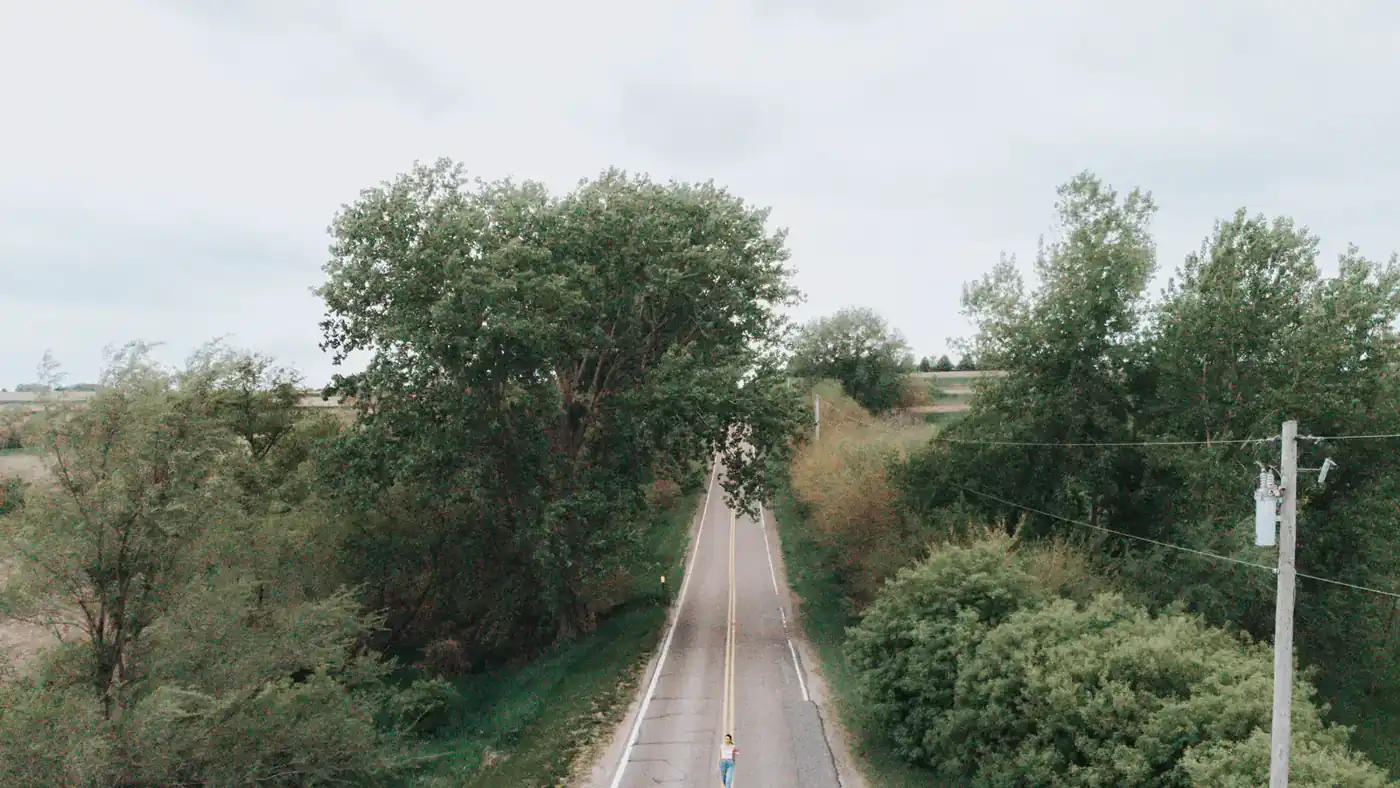
A driver’s decision to leave makes a serious collision harder to investigate, but it does not leave an injured pedestrian without options. The police investigation and insurance questions can proceed on separate tracks.
This article provides general legal and insurance information. It does not determine fault, interpret a policy, calculate a deadline, create an attorney-client relationship, or replace advice based on the facts.
Call 911 and do not chase the driver
Move away from traffic when you can do so safely and request emergency help. Tell the dispatcher that a vehicle struck, or caused injury to, a pedestrian and then left. Share the direction of travel and any vehicle description you can recall without guessing.
Do not pursue the driver. Chasing a vehicle can create another collision and take you away from witnesses, cameras, debris, and other scene evidence. If another person follows the vehicle, ask that person to remain safe and provide observations to law enforcement.
Accept appropriate medical evaluation. Adrenaline, shock, and the circumstances of the scene can make symptoms difficult to assess. Keep discharge instructions, referrals, and follow-up records together.
Nebraska law requires a driver to stop after an injury crash
Nebraska Revised Statute 60-697 requires a driver involved in a crash resulting in injury or death to stop, identify the people involved, provide specified identifying information, and render reasonable assistance to an injured person. Leaving the scene may lead to a criminal investigation and penalties under Nebraska law.
The criminal case and the pedestrian’s injury claim are separate. A citation, arrest, plea, or conviction may become evidence, but it does not automatically resolve negligence, causation, damages, or insurance coverage. Preserve the police report number and communications from the investigating agency.
Write down every identifying detail you can reliably recall
Record observations as soon as your condition allows. Accurate details are more useful than guesses. Potential identifiers include:
- All or part of the license plate, including the issuing state
- Vehicle color, body type, make, model, approximate year, and visible damage
- Decals, commercial markings, roof racks, unusual lights, or missing parts
- The driver’s appearance and number of occupants
- Direction of travel, lane, estimated route, and time of the collision
- Names and contact details for witnesses
Photograph the scene, injuries, damaged property, tire marks, broken vehicle parts, and traffic controls when it is safe. Do not handle debris that could expose you to traffic or interfere with the investigation.
Camera and electronic evidence may disappear quickly
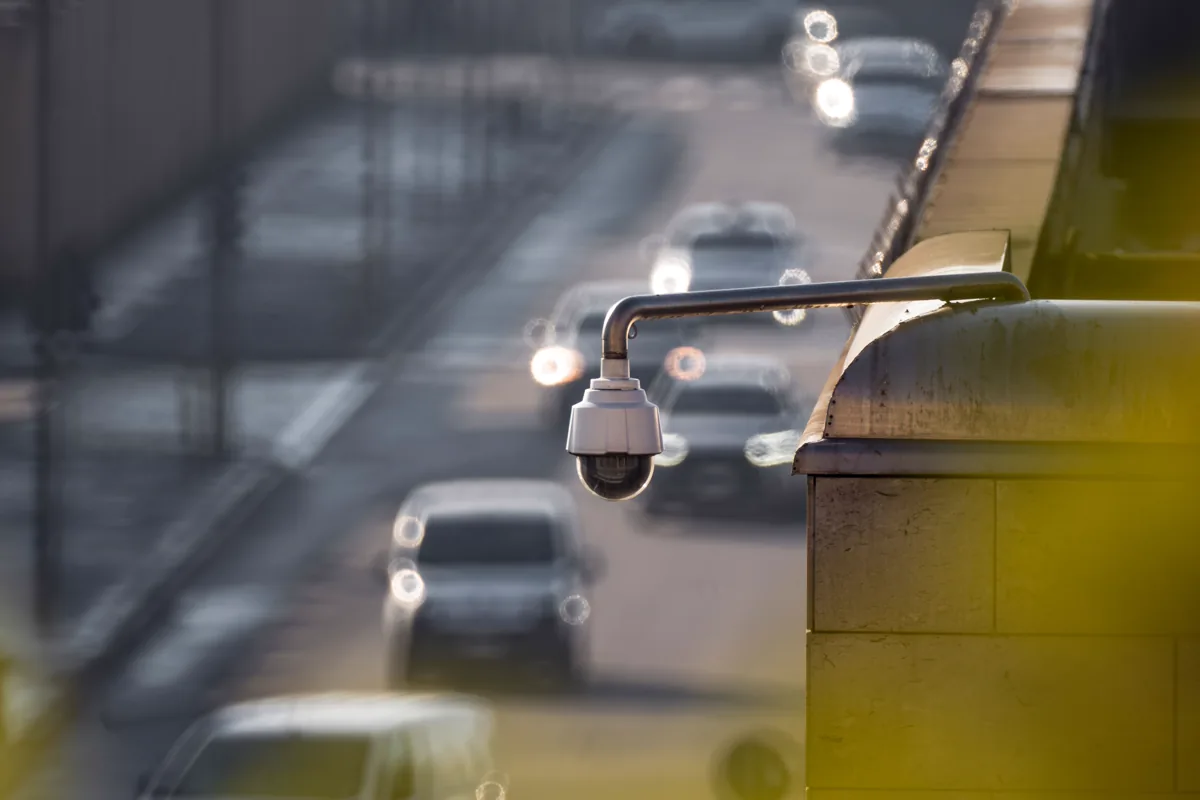
Nearby homes, businesses, parking facilities, buses, and traffic systems may have recorded the vehicle. Note each possible camera because footage may be overwritten quickly.
Other evidence may include 911 audio, dispatch records, body-camera footage, plate-reader information where lawfully available, vehicle debris, repair records, and electronic data. Access may require consent, a formal request, a subpoena, or law-enforcement involvement.
What if police identify the driver?
If the driver is found, the investigation may identify the vehicle owner, insurer, and whether the person was working for another entity. Liability coverage may be one payment source. Other policies or parties may require review when a vehicle was borrowed, business-owned, or used for rideshare or delivery work.
Locating the driver does not guarantee that adequate insurance or assets exist. The driver may have no insurance, the policy may be disputed, or the available limit may be insufficient for the injuries. Uninsured or underinsured motorist coverage can remain important even after an identity is established.
An unknown driver may trigger uninsured motorist questions
Nebraska law requires specified uninsured and underinsured motorist protection in motor-vehicle liability policies issued or renewed for vehicles principally garaged in the state. Nebraska Revised Statute 44-6408 describes that required coverage.
An applicable policy may protect an insured person who was walking when an unknown or uninsured driver caused bodily injury. It might be the pedestrian’s own policy or a household policy. Confirm who is insured, the active coverage, limits, notice requirements, exclusions, and how policies may interact.
The Nebraska Department of Insurance explains that uninsured and underinsured motorist coverage may address medical expenses, lost wages, and other bodily-injury costs when an at-fault driver lacks sufficient coverage. This does not mean every loss is automatically payable or that every pedestrian qualifies under every policy.
Physical contact and corroboration can change the coverage analysis
Nebraska Revised Statute 44-6405 includes an unknown owner or operator in the definition of an uninsured motor vehicle when bodily injury results from actual physical contact with the insured or a vehicle occupied by the insured.
The statute also addresses no-contact events, such as when an unknown vehicle forces a person to take evasive action without striking them. For that category, the law specifies reporting to the proper law-enforcement authorities and corroboration by competent evidence from an independent, disinterested person. Because those requirements can affect coverage, preserve witness information and report the event promptly rather than assuming a near miss cannot support a claim.
How medical bills may be handled while the case is investigated
A hit-and-run investigation may take time. Health insurance, Medical Payments coverage, public benefits, or another source may pay some treatment costs first. Each can have deductibles, limits, notice rules, reimbursement rights, or coordination requirements.
Keep itemized bills, explanations of benefits, receipts, policy declarations, claim numbers, and written insurer communications. Do not delay medically appropriate care solely because the driver has not been identified. The separate Rensch & Rensch guide to pedestrian injury compensation in Nebraska explains the categories of loss that evidence may support without relying on online settlement averages.
Fault can still be disputed in a hit-and-run claim
Leaving the scene does not prevent an insurer or another party from disputing how the collision happened. Signals, crossing location, visibility, lighting, speed, distraction, impairment, roadway design, and witness accounts may all matter.
Under Nebraska Revised Statute 25-21,185.09, negligence attributed to a claimant can proportionally reduce damages and can bar recovery at the statutory threshold. A single fact, including crossing outside a marked crosswalk, does not assign a percentage by itself. The complete evidence should be reviewed.

Reporting and deadlines require case-specific review
The Nebraska Department of Transportation explains that when law enforcement does not investigate a qualifying crash, every involved motor-vehicle operator must submit a driver’s crash report within ten days. A pedestrian who was not operating a vehicle has a different role, but should still preserve the agency report number and confirm any instructions that apply.
Policy notice and cooperation requirements are separate from lawsuit deadlines. Limitation periods also vary with the claim, parties, age, death, government involvement, and other facts. Do not use a general online deadline to postpone reporting or review.
Questions about Nebraska pedestrian hit-and-run claims
Can a pedestrian use auto insurance after a hit-and-run?
Possibly. An injured pedestrian may qualify as an insured under an applicable personal or household auto policy even though the person was not inside a vehicle. Eligibility and payment depend on the policy, Nebraska law, the insured relationships, reporting, proof, exclusions, and the facts.
What if nobody saw the collision?
Report the collision and preserve all available evidence. Physical contact, debris, injuries, video, 911 records, and other facts may help establish what happened. If there was no physical contact and the driver is unknown, Nebraska’s statutory corroboration requirement deserves immediate review.
What happens if the driver is found later?
The identified driver’s liability coverage and other responsible parties can be investigated. Any uninsured motorist claim, payments already made, policy procedures, and settlement documents should be reviewed before changing course or signing a release.
When legal review may help
Early review may help when injuries are significant, video may be overwritten, no contact occurred, the driver remains unknown, several policies may apply, fault is disputed, or an insurer requests a recorded statement, broad authorization, or final release.
Rensch & Rensch can review the police investigation, scene and medical evidence, insurance policies, possible responsible parties, and applicable deadlines. Learn about the firm’s Omaha pedestrian-accident practice or request a free consultation.
This article is based on sources reviewed October 8, 2026. It provides general information and does not create an attorney-client relationship.
Sources
- Nebraska Legislature: Nebraska Revised Statute 60-697
- Nebraska Legislature: Nebraska Revised Statute 44-6405
- Nebraska Legislature: Nebraska Revised Statute 44-6408
- Nebraska Legislature: Nebraska Revised Statute 25-21,185.09
- Nebraska Department of Transportation: crash reporting
- Nebraska Department of Insurance: auto insurance and types of coverage
Free & Confidential · 2-Minute Estimate
Hurt in an accident? See what your claim could be worth.
Answer a few quick questions and get a case-value range based on the same factors insurance adjusters use. No obligation.
Find Out How Much Your Case Is Worth Now, For FREE